Historically, the meaning of web content has been largely unfathomable to search engines, which indexed fairly clumsy indicators of content like keywords to get a sense of what a web page is about.
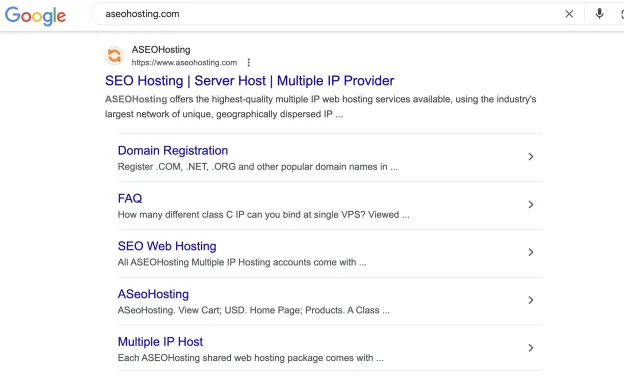
Semantic markup, however, allows search engines to have some understanding of what certain parts of a page’s content refers to and include that information in the text that they display below the links on SERPS (known as snippets).
Semantic markup helps Google understand page details. For example, it can identify price and customer reviews. Consequently, Google can display this information in search results. This is visible in the image.
(more…)